
Physiotherapy and Treatments in Clayton Heights, Surrey, and Langley
Clayton Heights Location
DIRECT BOOKING LINK FOR CLAYTON HEIGHTS
Langley Crossing Location
DIRECT BOOKING LINK FOR LANGLEY CROSSING
How Physiotherapy Treatments Enhance Your Well-Being
Are you struggling with chronic pain or recovering from an injury? Physiotherapy might be the solution you’re looking for. This healthcare practice focuses on restoring movement, reducing pain, and improving overall quality of life. Whether you’ve suffered a sports-related injury, have a nagging work-related issue, or are healing after a motor vehicle accident, Integrated Functional Health is here to help. Our team provides exceptional physiotherapy treatment to patients in Langley and Surrey, BC.
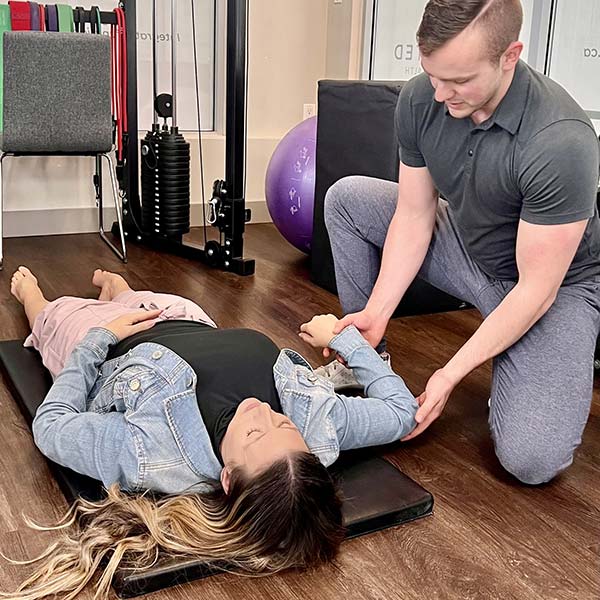
What Is Physiotherapy?
Physiotherapy is a treatment method aimed at improving mobility, reducing pain, and enhancing overall physical function. It’s a science-based approach that combines manual therapy, targeted exercises, and education to address a wide range of health issues. With a trained physiotherapist on your side, you’ll have the tools to minimize chronic pain and prevent future injuries.

Conditions We Treat With Physiotherapy
At Integrated Functional Health, our team uses the principles of physiotherapy to treat various conditions. No matter your stage of life or the extent of your condition, we’re glad you’re here! Visit us for help with any of the following conditions:
- Sprains and strains
- Carpal tunnel syndrome
- Tendon ruptures
- TMJ pain
- Postural dysfunction
- Neural pain
- Fractures and dislocations
- Hand injuries
- Headaches and migraines
- Limited mobility
- Neck and back pain
- Rheumatoid arthritis
- Running injuries
- Sciatica
- Shoulder pain
- Pregnancy and postpartum dysfunction
Here for You After an Accident
Accidents aren’t always avoidable. If you’re dealing with the aftermath of a motor vehicle accident or workplace injury, we can help. Physiotherapy treatment can address many of the conditions associated with traumatic accidents, including lower back pain, whiplash, and soft tissue damage. Beyond providing top-notch care, we can also help you understand WCB and ICBC insurance.
Why See a Physiotherapist?
Many times, we hope our pain will go away without physiotherapy treatment. However, if you really want to find lasting relief from your condition, seeing a professional is your best bet. We highly encourage booking an appointment at our Langley or Surrey clinic if you’re dealing with any of the following:
- Persistent Pain—Pain that doesn’t improve with run-of-the-mill treatments can take a toll on every aspect of your life. Consider seeing a physiotherapist who can help you manage chronic issues.
- Reduced Mobility—Struggling to move the way you used to? Physiotherapy can help you regain your range of motion.
- Posture Issues—Sitting at a desk all day can wreak havoc on your posture. Physiotherapy helps keep you aligned properly and reduces pain in the neck and back.
- Injury Prevention—If you’re an athlete or work a physically demanding job, physiotherapy can help you gain strength and decrease the risk of future injuries.
What to Expect at Our Clinic
If it’s your first time seeing a physiotherapist, you might feel unsure about what to expect. Here’s a short guide to help you feel prepared:
Arrive Early
Be sure to arrive 10 to 15 minutes early for your first appointment. During this time, you’ll make sure all your required forms have been completed. You also may be asked to complete a questionnaire, collected on paper or online, to help the physiotherapist understand your concerns.
What to Wear
We recommend wearing comfortable, loose clothing to your physiotherapy appointment. You might also bring a tank top and shorts to change into so your physiotherapist can look at your posture, joints, and muscles. We always have hospital gowns on hand for your comfort and privacy.
Meet Your Physiotherapist
Now it’s time to meet your physiotherapist! First, they’ll ask questions about your pain. Always be honest about what you’re experiencing. In addition to these questions, your physiotherapists may do strength tests and other evaluations to better understand your condition.
If they’ve gleaned enough information, your physiotherapist may give you a suspected diagnosis and start treatment. You can consent or decline any proposed treatment and ask as many questions as you like. From there, we’ll recommend a course of action to get you on the road to recovery. This recovery plan might include additional services like chiropractic care.
Extended Health Benefits
Most insurers offer coverage for physiotherapy treatment under their extended health plans. Please check with your insurer prior to your appointment to learn more about your coverage. We happily directly bill to most extended health care plans, making it convenient and more affordable for you.
Types Offered:
- Concussion & Vestibular Therapy
- Pelvic Floor
- Exercise Therapy
- WCB & ICBC injury and rehabilitation
- Pediatric
A Stand-Out Physiotherapy Clinic
At Integrated Functional Health in Langley Crossing and Clayton Heights, we’re committed to helping our patients live pain-free lives. With trusted physiotherapy treatment, you can go about your daily tasks comfortably. Our patients count on us for a holistic approach to care, advanced treatment techniques, and convenient scheduling. Regardless of your current condition, ask us about potential physiotherapy treatment.
Frequently Asked Questions
Physiotherapy is a science-based approach to restoring movement, reducing pain, and improving how your body functions day to day. Our physiotherapists combine manual therapy, targeted exercise, and patient education to address the root cause of an issue rather than just masking symptoms. The process starts with an assessment, moves into hands-on and active treatment, and includes guidance you can apply outside the clinic to keep progressing between visits.
Physiotherapy is versatile enough to help with acute injuries, chronic conditions, and everything in between. If your specific concern isn’t listed here, reach out to us. Physiotherapy addresses a much broader range of issues than most people realize. Our physiotherapists regularly treat patients dealing with:
- Sprains, strains, and sports injuries
- Neck and back pain
- Sciatica and nerve-related pain
- Post-accident injuries, including whiplash
- Postural dysfunction from desk work
- Headaches, migraines, and TMJ pain
- Rehabilitation after fractures or surgery
In most cases, you don’t need a referral to book physiotherapy with us. You can schedule an appointment directly at either location. If you’re claiming through ICBC, WCB, or certain extended health plans, a physician’s referral may be part of your provider’s requirements. Confirm with your specific plan before your visit so there are no surprises with coverage.
Your first appointment starts with a conversation about your pain, injury history, and daily activities, followed by strength testing and movement evaluations. Your physiotherapist will walk you through a suspected diagnosis and proposed treatment plan, and you’re always free to ask questions or decline any part of it. We recommend arriving early to complete any intake forms and wearing comfortable clothing that allows your physiotherapist to assess your posture and range of motion.
This varies quite a bit depending on the condition, how long you’ve had it, and how consistently you follow through with your home exercises. Some patients notice improvement within a few sessions, especially with acute injuries, while chronic or long-standing issues typically take longer and require a more gradual approach. Your physiotherapist will set realistic expectations during your assessment and adjust your treatment plan as you progress.
Yes, and this is one of the most important parts of effective treatment. Generic exercise programs rarely address the specific muscle imbalances, movement patterns, or limitations behind your pain. Your physiotherapist builds your exercise plan around your assessment findings, your goals, and your current ability level, then adjusts it as you build strength and mobility.
Physiotherapy isn’t just for treating problems after they happen. Many of our patients, especially athletes and people in physically demanding jobs, use physiotherapy proactively to correct movement patterns, build strength in vulnerable areas, and improve overall mobility before an injury occurs. This preventive work can make a difference in reducing your risk over time.
Physiotherapy draws on a range of techniques depending on your condition and goals. At our clinic, this can include manual therapy, exercise therapy, concussion and vestibular rehabilitation, pelvic floor treatment, and WCB or ICBC injury rehabilitation. Your physiotherapist will select the combination of treatments best suited to your assessment.